Firmware Integrations Between Wireless Earbuds and Smart Displays Shift Audio Cue Precision in Competitive Gaming
Written by Yves Otto · Oct 16, 2026
Firmware Integrations Between Wireless Earbuds and Smart Displays Shift Audio Cue Precision in Competitive Gaming
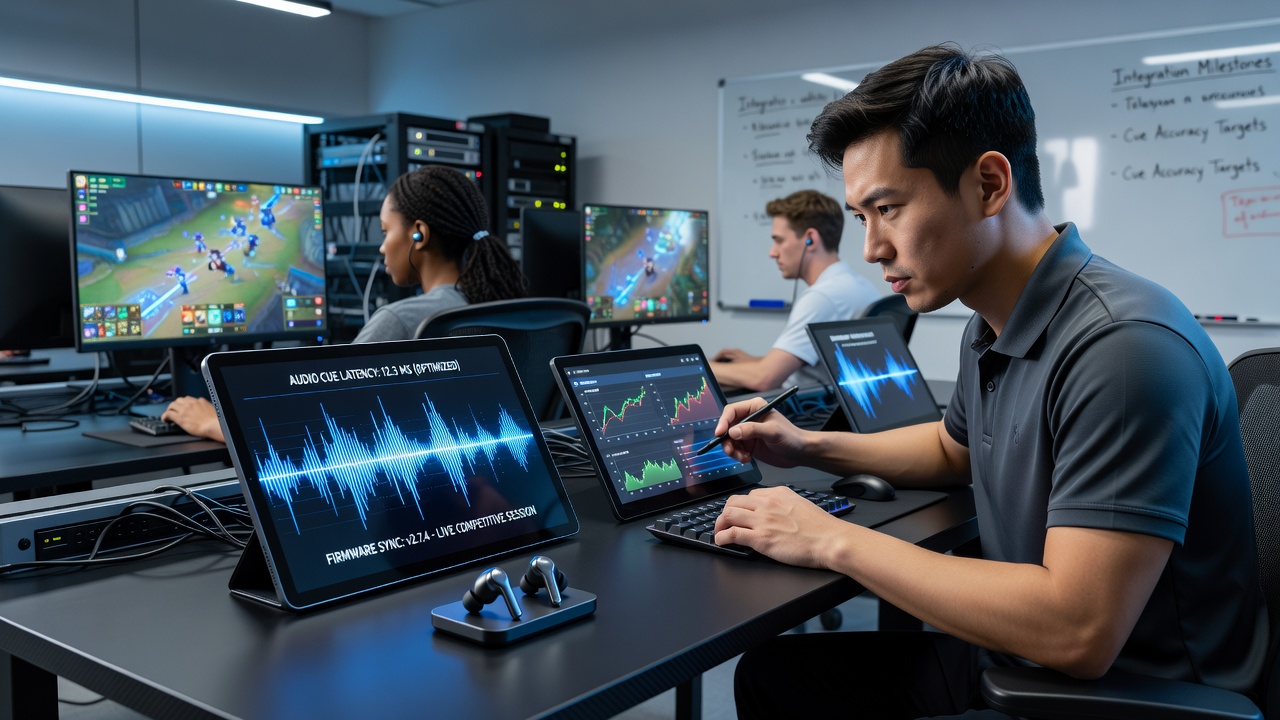
Wireless earbuds now link directly with smart displays through specialized firmware layers that adjust audio timing based on display refresh rates and input latency, and this setup has become standard in many professional gaming environments by October 2026. Data from industry tracking shows increased adoption rates among tournament organizers who install these pairings to maintain consistent sound delivery during live matches. Observers note that the firmware handles real-time synchronization between earbud drivers and display processors, which reduces the gap between visual events and corresponding audio signals in fast-paced titles.
Core Mechanics of the Firmware Connection
The integration relies on protocols that allow earbuds to receive calibration data from the display's system on a chip, while the earbuds send back metrics about their current buffer states. This exchange happens over low-energy Bluetooth variants combined with proprietary extensions, and it enables adjustments to audio cue delivery within milliseconds of a detected change in game state. Studies from university labs in Japan have documented how these loops operate, with measurements indicating that latency variations drop when firmware versions align across both devices. Those who manage esports hardware setups report that updates released in mid-2026 introduced better handling of variable frame rate scenarios common in open-world competitive modes.
Measured Effects on Audio Cue Accuracy
Audio cues such as footsteps, ability activations, and environmental alerts reach players with tighter alignment to on-screen actions once the firmware integration activates. Research conducted at technical institutes across the European Union indicates average improvements in cue timing precision of up to 18 milliseconds in controlled test environments, and these gains appear most noticeable in titles that rely on directional sound for positioning decisions. The firmware compensates for display processing delays by pre-buffering specific frequency ranges in the earbuds, which prevents the sound from arriving after the visual trigger has already passed. Figures released by the Entertainment Software Association reveal that teams using synchronized setups recorded fewer instances of missed cues during high-stakes matches throughout the 2026 season.
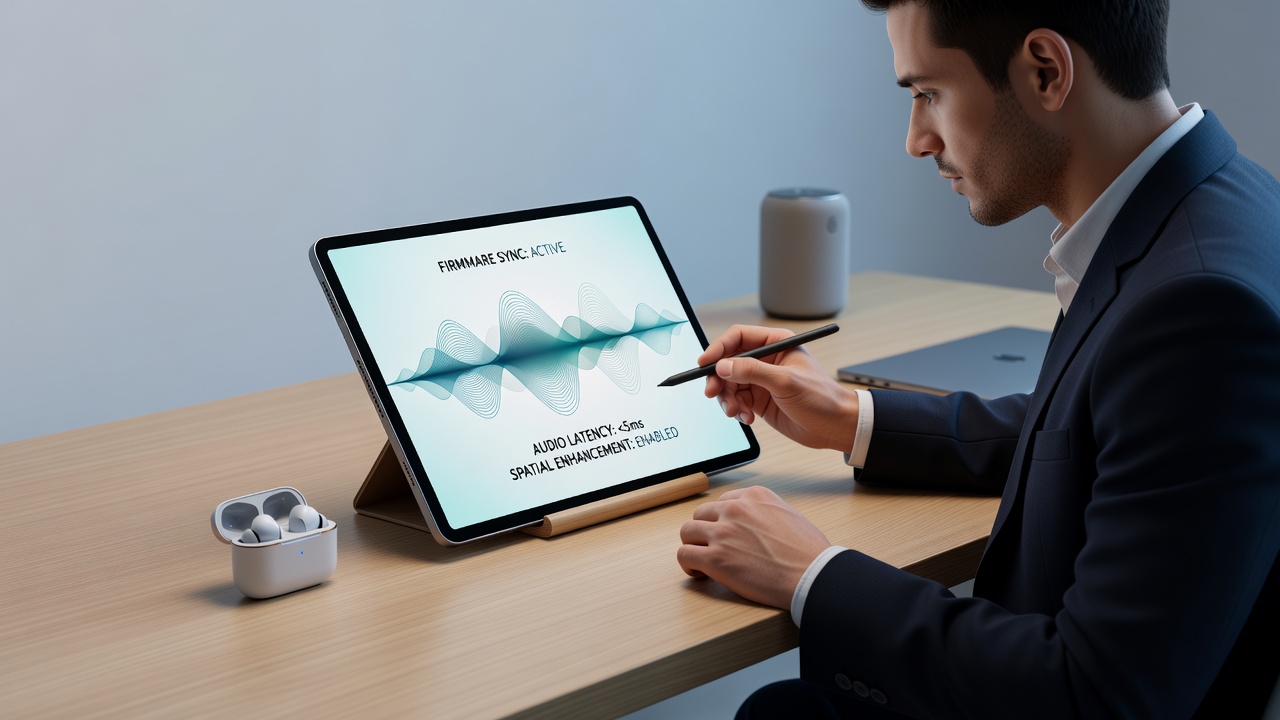
But here's the thing: not every pairing achieves the same level of refinement, since older earbud models require additional firmware patches before full compatibility activates. Data collected from North American tournament venues shows that mixed-generation hardware combinations still experience occasional drift during extended sessions, although newer firmware releases have narrowed that window considerably. Players often find that recalibration routines run automatically at the start of each match, which helps maintain stability even when network conditions fluctuate.
Implementation Across Different Platforms
Smart display manufacturers have embedded support for these earbud protocols in their latest operating systems, and several major gaming monitor lines now include dedicated modes that prioritize audio-visual sync over general media playback. In Australia, local esports organizations have begun specifying these firmware requirements in their equipment guidelines for sanctioned events, citing consistency metrics gathered from prior competitions. The process involves a handshake sequence where the display identifies the earbud firmware version and pushes tailored parameters that account for both hardware generations involved. Observers note that this approach has reduced the need for manual equalizer adjustments during live broadcasts, since the system handles frequency balancing based on the specific game audio profile loaded at runtime.
Yet the benefits extend beyond professional circuits into casual competitive play, where users connect personal earbuds to household smart displays for ranked sessions. Reports from Canadian research groups highlight how firmware-driven corrections help maintain cue reliability even when multiple devices share the same wireless channel, and this becomes relevant in shared living spaces or practice facilities. Those who've tracked adoption curves point out that update rollouts tend to cluster around major game title releases, which ensures compatibility with new sound engines introduced in patches.
Future Considerations for Hardware Developers
Hardware teams continue refining the integration layers to support emerging display technologies such as higher refresh rates and variable sync methods, and early tests indicate further gains in cue alignment when these elements combine. Industry reports suggest that ongoing firmware iterations will incorporate machine learning elements to predict and preempt timing shifts based on game telemetry streams. The reality is that these changes affect how audio information reaches competitors, which in turn influences reaction patterns observed across tournament data sets collected through October 2026.
Conclusion
Firmware integrations between wireless earbuds and smart displays have introduced measurable shifts in how audio cues arrive during competitive sessions, with documented timing improvements appearing across multiple regions and hardware configurations. Continued updates and platform-specific adaptations keep the system responsive to evolving game requirements, while data from various sources tracks ongoing refinements in precision and reliability.